Check out recent changes and updates of Syra

This release introduces Syra Imagine, a dedicated image generation and editing experience built directly into the main Syra workspace — no separate app or account needed.
Core capabilities at launch:
Text-to-image generation — describe what you want in plain language and generate original images across multiple styles, including photorealistic, illustrated, anime, and painterly.
Iterative editing — once an image is generated, you can refine it with natural follow-up prompts ("make the lighting warmer," "remove the background," "add more contrast") instead of starting over from a blank prompt each time.
Style presets — a curated set of style presets is available for quick selection, alongside full custom prompting for more specific creative control.
Unified workspace — Imagine lives in the same conversation thread as chat and research, so you can move from a research task to a visual without switching tools or losing context.
Why it matters: Image generation was one of the most frequently requested features from early Syra users. Rather than bolting on a separate tool, we built Imagine to share context with the rest of Syra — so a conversation that starts as research can end with a finished visual, all in one place.
What's next: Syra Imagine laid the foundation for further visual features, including the image-to-video capability introduced in v2.3.
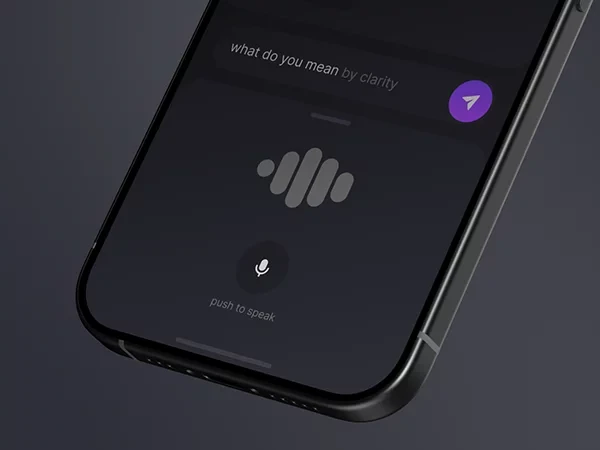
Voice conversations with Syra have been substantially improved across latency, naturalness, and language support.
Performance: Response latency in voice mode has been cut by roughly 40%, based on internal benchmarks comparing v2.0 and v2.1 under identical conditions. The result is a back-and-forth that feels much closer to a real conversation, rather than a noticeable request-and-wait exchange.
Interruption handling: Previously, speaking while Syra was mid-response would either get ignored or cause Syra to lose track of the conversation. Now, Syra detects when you start speaking, pauses its own response, and listens — picking the conversation back up naturally once you've finished.
Context retention: Follow-up questions within the same voice session are now handled more reliably. Syra keeps track of what was discussed earlier in the call, even across several topic changes, instead of treating each question as a fresh start.
Language support: This release adds five new languages to voice mode, bringing the total to eighteen supported languages. Pronunciation and intonation have also been tuned for several previously-supported languages based on user feedback.
Why it matters: Voice is often the first thing people test when trying an AI assistant for the first time, and small delays or awkward interruptions are the fastest way to break that first impression. This update was about making voice mode feel less like talking to a machine and more like a normal conversation.
Memory Improvements
Syra's memory system has been significantly overhauled to be more accurate and more transparent.
What changed:
More reliable recall — Syra now retains your preferences (tone, formatting style, recurring tasks, frequently referenced topics) more consistently across sessions. Previously, some preferences would occasionally fail to carry over after a few days of inactivity — this has been fixed.
Granular memory controls — you can now view exactly what Syra remembers about you in a dedicated settings panel, and remove individual items one at a time, rather than only being able to wipe memory entirely.
Cross-device sync fix — resolved a bug where memory would sometimes fail to sync between the web app and mobile app when switching devices mid-conversation, causing Syra to "forget" context that should have carried over.
Better conflict handling — when you update a preference (for example, switching from formal to casual tone), Syra now overwrites the old preference cleanly instead of occasionally holding onto both and producing inconsistent results.
Why it matters: Memory is what makes Syra feel less like a tool you re-explain things to every time, and more like an assistant that actually knows how you work. This update was focused entirely on making that experience consistent and giving you visibility into what's being remembered, rather than adding new memory capabilities — those are planned for a later release.
Faster Deep Research
Deep Research has been rebuilt from the ground up for speed and clarity. Searches that used to take a minute or more now return results up to 2x faster, thanks to a new source-ranking system that prioritizes the most relevant pages before crawling lower-value ones. In our testing, this cut the average research query time from roughly 90 seconds down to under 40.
What's new:
Smarter source prioritization — Syra now evaluates source credibility and relevance before committing crawl time, instead of searching broadly and filtering after the fact.
Inline citations — every claim in a research summary now links directly back to the specific source it came from, shown inline rather than bundled into a generic reference list at the end. This makes it much easier to verify any individual fact without re-reading the whole summary.
Tighter summaries — research output is now roughly 30% shorter on average, with the same information density. We trimmed filler context that wasn't directly answering the question asked.
Reduced redundant queries — fixed an issue where Deep Research would occasionally search the same source multiple times within a single query, which added latency without adding new information.
Why it matters: Research is one of the most common ways people use Syra, and speed compounds — a 2x improvement on a task you run ten times a day adds up fast. This update also makes Syra's answers easier to trust, since you can now check exactly where each claim came from in a couple of seconds.
Known limitations: Citation linking currently works best on text-based web sources. PDF and paywalled source citation accuracy is still being improved and is expected in a future release.

Image-to-Video is here
You can now turn a single still image into a short, animated video clip directly inside Syra — no separate app, no timeline editor, no animation experience required.
How it works: Upload an image, select 2-5 reference frames or points within the image, choose a motion style, and Syra generates the in-between motion automatically. The whole process — from upload to finished clip — typically takes under a minute.
Motion presets at launch:
Subtle — gentle camera drift and minor movement, ideal for product shots or portraits where you want life without distraction.
Dynamic — more pronounced movement and energy, suited for social content and attention-grabbing posts.
Cinematic — slower pacing with simulated depth-of-field effects, designed for a more polished, film-like feel.
Other details:
Output is currently capped at 6 seconds per clip. Longer durations are on the roadmap for a future release.
A new preview step lets you check frame selection and motion style before committing to a final render, so you don't burn a full generation on a setup that didn't work.
Exported clips are available in both vertical (9:16) and horizontal (16:9) formats, covering most social and presentation use cases out of the box.
Why it matters: This was one of our most requested features. Turning a single image into motion used to require a separate animation tool entirely — now it's part of the same workflow you're already using for chat, research, and image generation.